
WandEnhancer
WandEnhancer 未来与实践项目:构建可验证的补丁一致性实验室
围绕签名补丁清单、临时客户端夹具、面板配对、脚本能力策略和可逆升级,规划 WandEnhancer 实践项目。
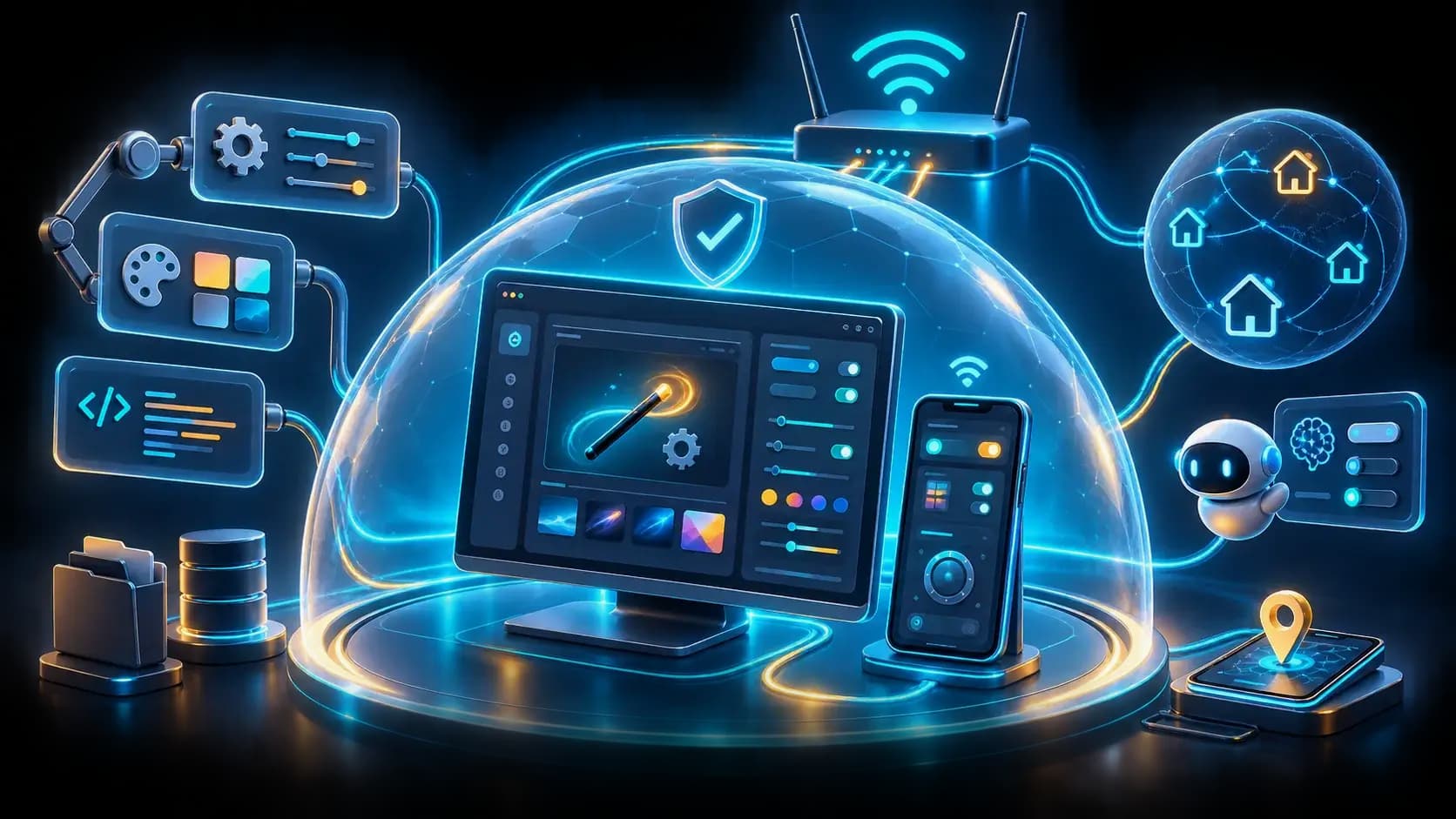

你将学会
- Design a verifiable patch manifest
- Build a disposable compatibility lab
- Plan pairing, script policy, and reversible rollout
开始前需要
- Basic Git and command-line usage
- Comfort reading a project README
You can explain the project, run its documented first step, and decide what to verify before adopting it.
先看结论
- Patch manifests can make file, script, port, and restore changes explicit.
- A disposable conformance lab can test client compatibility without risking user machines.
- Pairing, script policies, and staged dry-run adoption improve reversibility.
The next useful contract
WandEnhancer 的下一步可以是机器可读的 patch manifest:记录源码与构件、目标客户端、文件哈希、脚本能力、面板范围和恢复回执;本文设计一个单版本、单配置、localhost 面板的临时实验室,按 manifest-only、CI、advisory、controlled patching 分阶段验证。
A capability policy for renderer scripts could declare filesystem, network, DOM, and Node requirements. Scripts that need more privilege than the operator allows would be blocked or isolated instead of inheriting the full client boundary by default.
Capstone: the conformance lab
Build a disposable Windows fixture that installs a known client snapshot, applies a pinned WandEnhancer artifact, runs one guarded script, opens and closes the panel, and restores the original files. Store workflow provenance, file hashes, process and port observations, panel messages, performance data, and a cleanup receipt.
Keep the first release narrow: one client version, one patch configuration, one script, and a localhost-only panel. The project is successful when another maintainer can replay it and explain every delta, not when it claims compatibility with all Wand releases.
Safety and protocol roadmap
Explore authenticated pairing, TLS or VPN-aware binding, origin checks, capability-scoped scripts, signed manifests, and deterministic restore. Add adversarial fixtures for malicious scripts, path traversal, partial patches, duplicate initialization, public bind attempts, and client updates.
Measure compatibility, patch/restore success, startup overhead, panel latency, antivirus findings, and reviewer time. Publish failed fixtures so users can distinguish an unsupported client version from a corrupted installation.
A reversible adoption path
Start with manifest-only dry runs, then disposable patch-and-restore CI, then advisory warnings on real backups, and only then allow controlled client changes. Keep manual restore and native client fallback available. These ideas are proposed directions, not current repository guarantees.
如何选择
| 比较维度 | 方案 A | 方案 B |
|---|---|---|
| Best when | You need predictable behavior and easy auditing | You need adaptive optimization and have reliable telemetry |
| Main risk | May leave performance on the table | Can become difficult to explain or debug |
实施步骤
- 1
Define a manifest for build, client, files, scripts, panel, and restore.
- 2
Create one disposable patch/script/panel/restore fixture.
- 3
Add adversarial compatibility, privilege, path, bind, and cleanup tests.
- 4
Roll out manifest-only → disposable CI → advisory → controlled patching.
可复制示例
{
  "source_revision": "<commit>",
  "client_version": "<version>",
  "file_deltas": [],
  "script_capabilities": [],
  "panel_scope": "localhost",
  "restore_receipt": { "status": "pending" }
}
常见问题
Is a conformance lab included today?
No. It is a proposed project built from the README's source-build, local patch, renderer script, panel, and restore boundaries.
What is the safest first improvement?
A manifest-only dry run and a disposable patch/restore fixture provide evidence without changing a user's active client.
资料来源
- WandEnhancer README (captured 2026-08-31)来源核查 2026-08-31
- WandEnhancer repository来源核查 2026-08-31